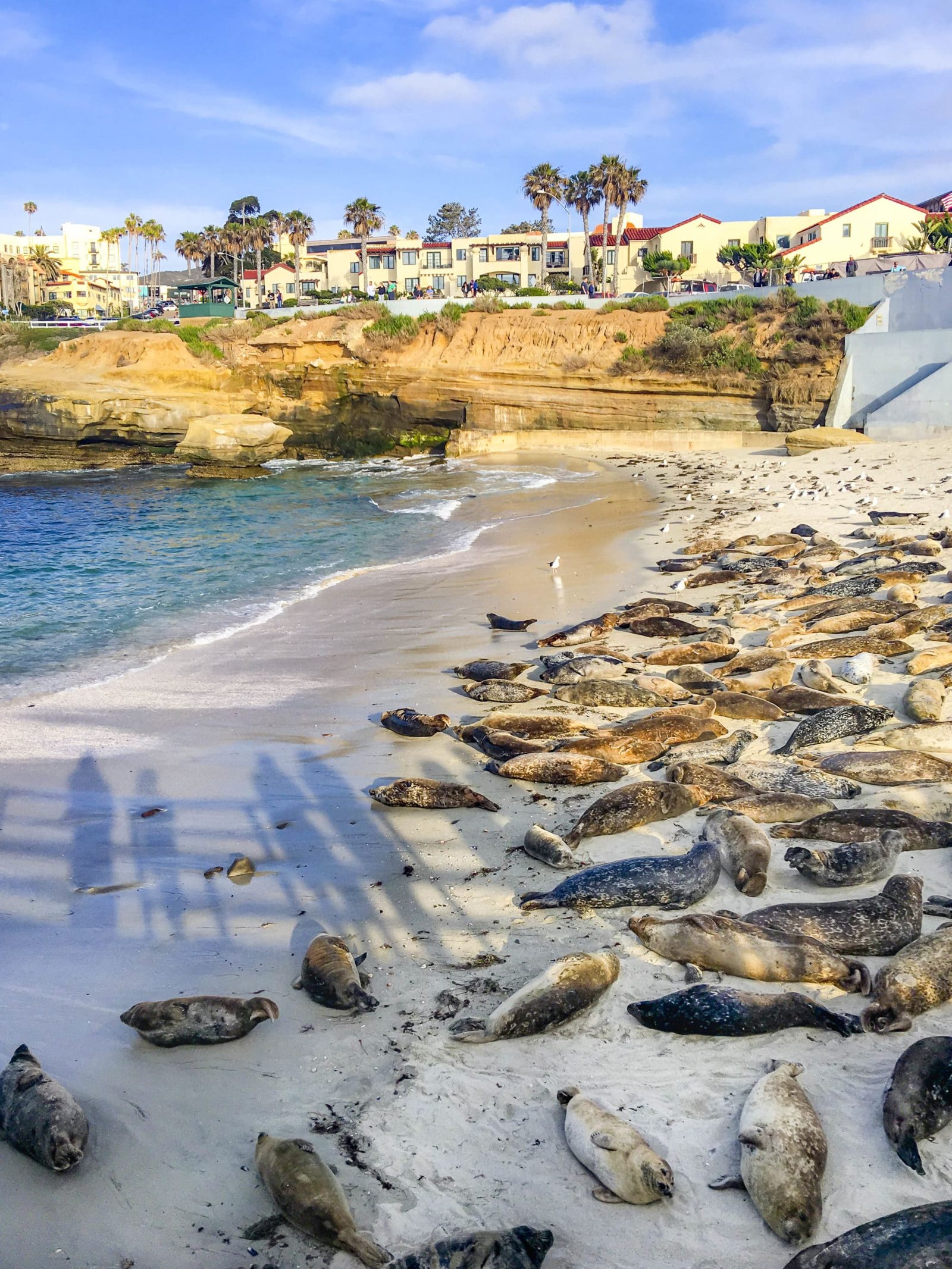
Children's Pool
10 min walk
This protected cove offers a view of harbor seals resting on the beach and is ideal for observing marine life from the seawall.
San Diego's coastline offers multiple snorkeling sites, each with distinct conditions and marine life. La Jolla Cove anchors the region's snorkeling scene, but understanding how it compares to nearby alternatives helps you choose the right entry point for your experience level and interests.
Quick answer
La Jolla Cove at 1100 Coast Blvd stands as San Diego's most accessible snorkeling location, open year-round with free entry and calm protected waters that support garibaldi, leopard sharks, and harbor seals. The site welcomes beginners through its sheltered bay design while offering enough depth variation and kelp habitat to engage experienced snorkelers, particularly during morning hours between 6:00 and 10:00 when visibility peaks.
La Jolla Cove operates as part of the San Diego-La Jolla Underwater Park Ecological Reserve, meaning the waters you enter extend across 6,000 acres of protected habitat where fishing and collecting are prohibited. This protection translates directly to fish density—garibaldi damselfish, California's state marine fish, patrol the rocky outcrops in numbers rarely seen at unprotected beaches. The best snorkeling spots San Diego offers fall into two categories: protected coves with calm entry points and open-water sites that demand stronger swimming skills. La Jolla Cove represents the former, with its crescent beach providing direct access to waters typically ranging from 10 to 20 feet deep within swimming distance of shore. Leopard sharks gather in the adjacent shallows during summer months, while harbor seals use the rocks at the cove's eastern edge as haul-out sites. For comparison, La Jolla Shores a mile north offers gentler surf but murkier water due to sand suspension, while Children's Pool features easier entry but smaller viewing areas due to seal colonies occupying much of the swimming space. San Diego snorkeling conditions vary by season and location, but the ecological reserve status creates consistency. The kelp forest anchored offshore moderates surge, and the rocky substrate hosts invertebrate communities that feed the fish populations snorkelers come to observe. Water temperature ranges from 57°F in winter to 68°F in late summer, cold enough that most snorkelers wear at minimum a shortie wetsuit year-round. The Coast Boulevard access point places you 200 feet from the water via a concrete walkway and stairs. Parking fills rapidly after 10:00 AM on weekends, and the lack of facilities beyond public restrooms means arriving prepared. The site's popularity stems from its combination of accessibility and marine diversity—conditions that make underwater photography practical and fish encounters predictable without requiring boat access or advanced certification.
“La Jolla Cove operates as part of the San Diego-La Jolla Underwater Park Ecological Reserve, where protection translates directly to fish density rarely seen at unprotected beaches.”
Choosing a snorkeling location in San Diego requires balancing the high-density biodiversity of protected reserves against the accessibility of open coastal beaches. La Jolla Cove serves as the primary hub for marine observation, while sites like La Jolla Shores provide different logistical environments for water entry.
| La Jolla Cove Protected Reserve Recommended | La Jolla Shores Open Beach | |
|---|---|---|
| Location | La Jolla Cove | La Jolla Shores |
| Marine Protected Status | State Marine Reserve | State Marine Reserve |
| Ease of Access | Stairs/Rocky entry | Sandy shore entry |
| Typical Visibility | 10–30 feet | 10–25 feet |
| Primary Wildlife Species | Garibaldi, Leopard sharks, Sea lions | Garibaldi, Leopard sharks, Rays |
Verdict: Select La Jolla Cove for concentrated marine life encounters within a protected reserve, or choose La Jolla Shores for easier, sandy-bottom access.
The best arrival window is 06:00–10:00 to ensure clearer water and thinner crowds before peak beach hours. Visiting during these hours provides the optimal conditions for observing local marine life.
—
Quiet conditions allow for the most visibility and space in the water.
Water reaches 70°F to 72°F
Warmest water temperatures occur during these months despite higher beach occupancy.
Water averages 65°F to 68°F
Conditions remain pleasant with fewer people on the beach compared to summer months.
Water ranges from 60°F to 64°F
Early summer often brings marine layer clouds, though water clarity remains stable.
Verdict: For the best experience, plan your visit for Tuesday to Thursday between 06:00–10:00 during the months of September or October.
La Jolla Cove is accessible to the public throughout the week. The area remains open for visitors at all hours.
La Jolla Cove sits within the San Diego-La Jolla Underwater Park Ecological Reserve, a Marine Protected Area where take and harassment of marine life are prohibited by California law.
Extending your visit beyond the water allows for a comprehensive look at the La Jolla coastline. These nearby landmarks provide natural vantage points and historical context to complement your snorkeling session.
10 min walk
This protected cove offers a view of harbor seals resting on the beach and is ideal for observing marine life from the seawall.
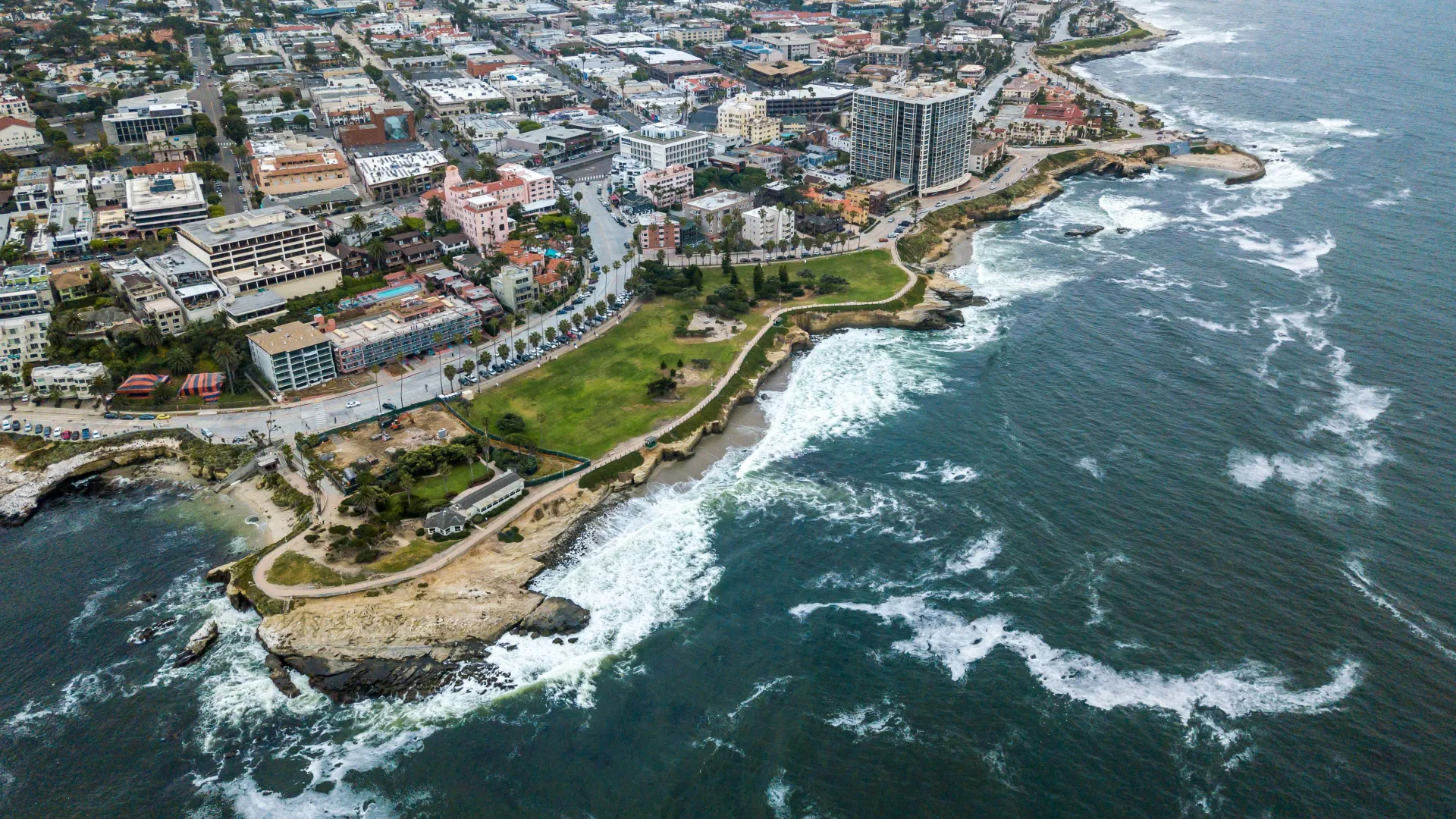
2 min walk
This grassy area features picnic spots and pathways that run parallel to the water, making it a convenient location for relaxing after snorkeling.
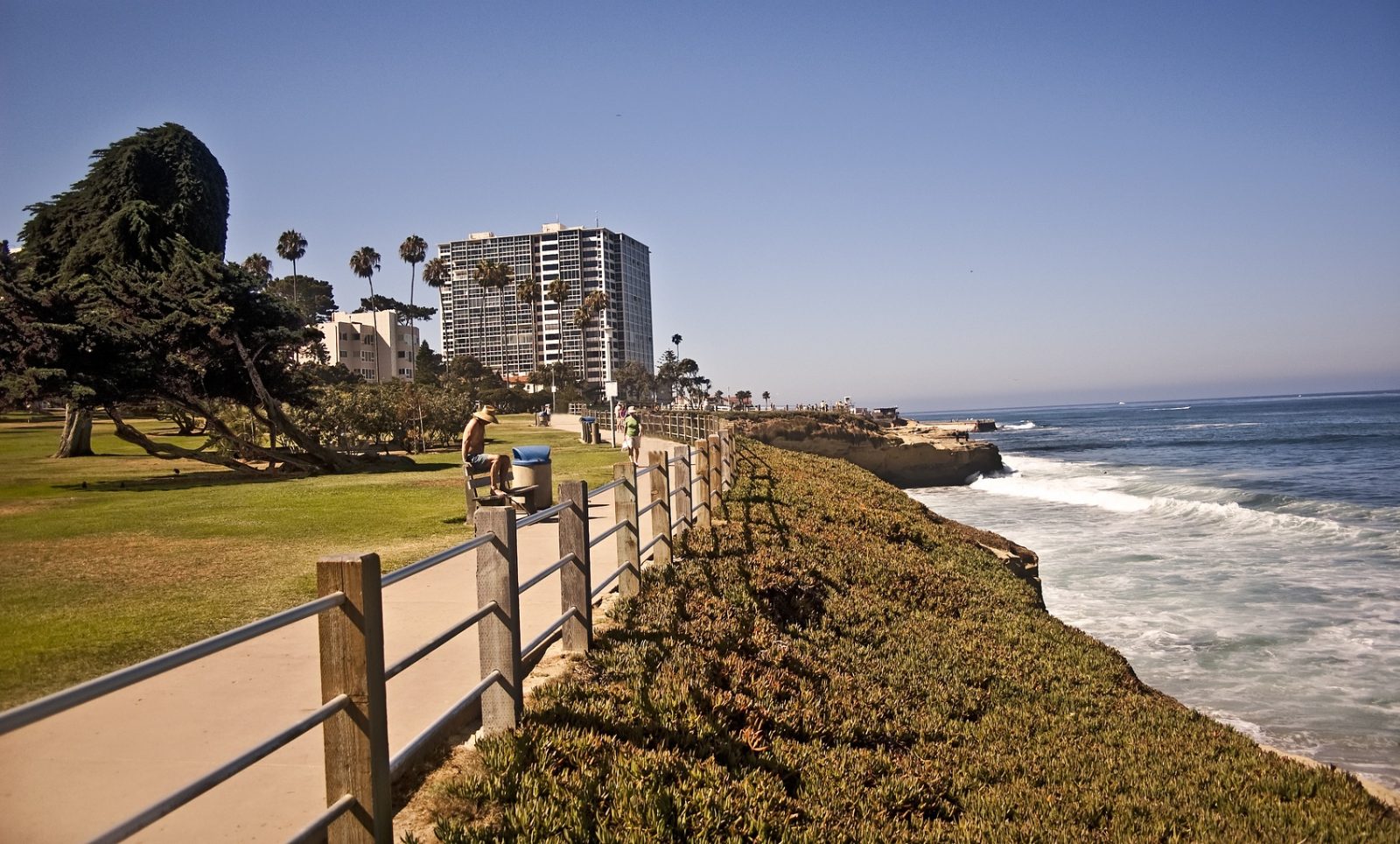
5 min walk
Located directly above the cove, this park offers wide lawns and coastal scenery that provide a quiet transition after exploring the underwater environment.
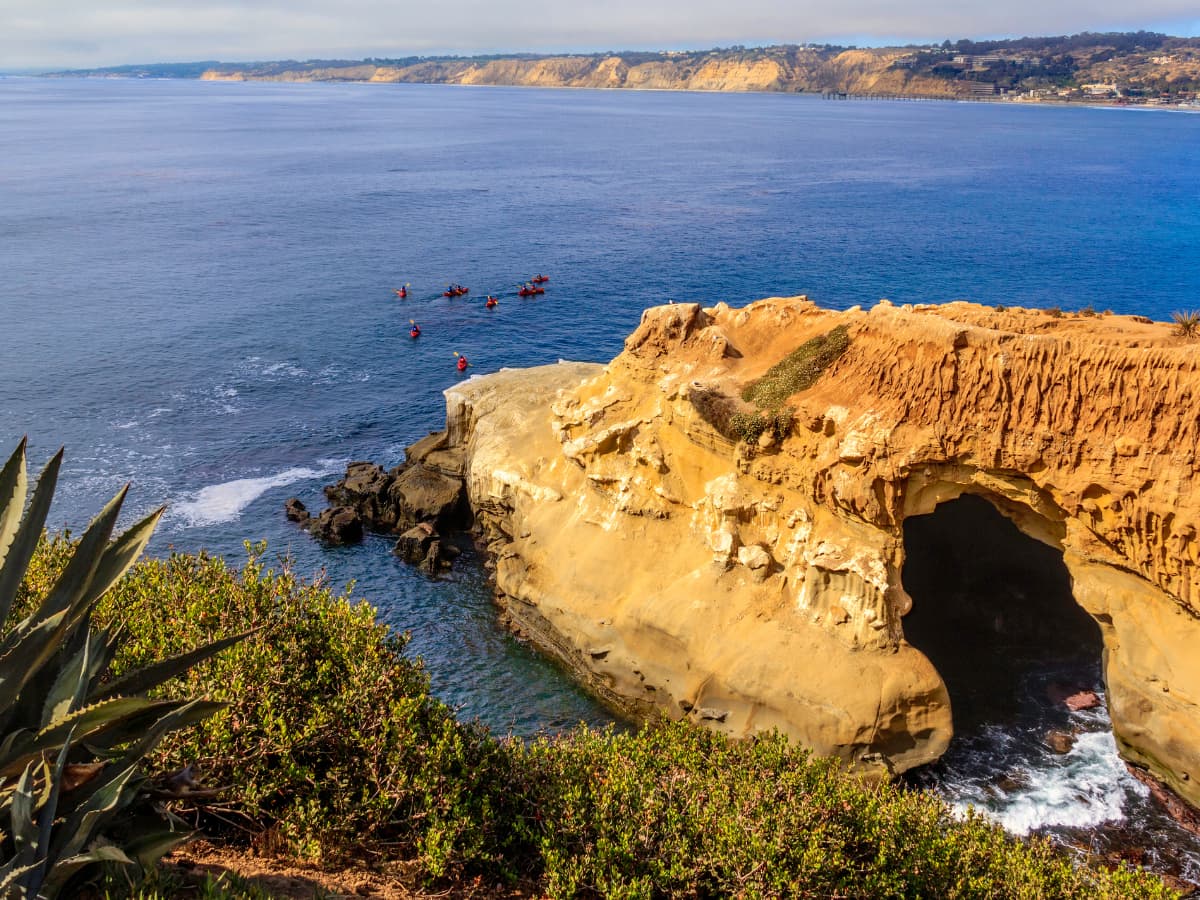
5 min walk
Visible from the coast or accessible via kayak, these geological formations provide context for the underwater topography explored during snorkeling.
Everything you need to know about best snorkeling spots san diego
La Jolla Cove is widely recognized as one of the best snorkeling spots San Diego provides due to its status as a protected marine reserve. The calm, clear waters and abundance of Garibaldi, leopard sharks, and sea lions make it a premier destination for underwater wildlife observation. Snorkelers often encounter diverse kelp forest ecosystems while navigating these protected coastal waters. It stands out among the best snorkeling spots San Diego visitors explore for its convenient access and high visibility levels.