Best Snorkeling San Diego
Timing Guide

Best Time to Go Snorkeling in San Diego

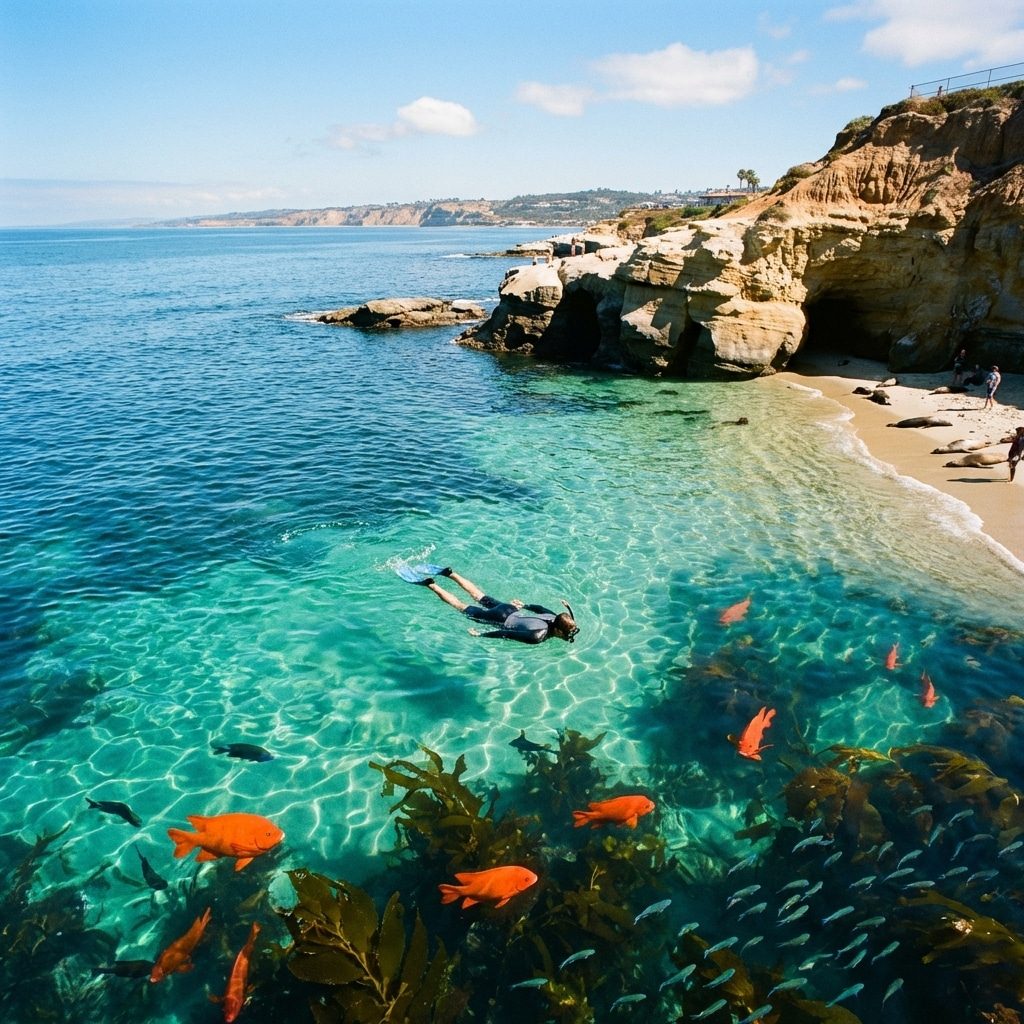
La Jolla Cove offers year-round snorkeling access, but water clarity, marine activity, and surface conditions shift dramatically with season and time of day. The window between arrival and afternoon wind determines what you'll see below the surface.

8 min read Updated 2026-09-28 Fact-checked
Best Time to Go Snorkeling in San Diego

Quick answer

The best time to go snorkeling in San Diego centers on summer and early fall months—June through October—when water temperatures reach 65-70°F and visibility often exceeds 20 feet. Within any given day, the 9:00–11:00 morning window delivers the calmest water and clearest conditions before afternoon winds stir the surface and reduce underwater clarity.

La Jolla Cove sits within the San Diego-La Jolla Underwater Park Ecological Reserve, a 6,000-acre protected zone where human activity has been restricted since 1971. That protection created one of California's densest coastal ecosystems—more than 150 species occupy the kelp forests and rocky reefs within swimming distance of shore. Water temperature drives the seasonal rhythm. Winter months bring 55-60°F water and storm swells that reduce visibility to 5-10 feet. Spring transitions see plankton blooms that cloud the water but also attract larger pelagic species. Summer and early fall deliver the most reliable conditions: warmer water, calmer seas, and visibility that regularly extends past 30 feet on windless mornings. Late fall brings the first winter swells, though occasional Santa Ana wind events can produce exceptional clarity even in November. Daily timing matters as much as season. The marine layer that blankets the coast most mornings burns off by mid-morning, but the real shift happens when westerly winds build after 11:00. Those winds roughen the surface, stir sediment in shallow zones, and push particulate matter into the cove from adjacent beaches. Arriving between 9:00 and 11:00 places you in the water during the daily calm window, when the ecological reserve's full diversity is most visible. The garibaldi—California's state marine fish—patrols the kelp beds year-round, while leopard sharks cruise the sandy channels from June through December. Parking availability compounds the timing equation. The Coast Boulevard lot fills by 10:00 on summer weekends, and street parking disappears shortly after. Weekday mornings or off-season visits reduce competition for both parking and underwater space. The cove remains open until just before midnight, but night snorkeling requires artificial light and familiarity with the site's entry and exit points.

“The marine layer burns off by mid-morning, but the real shift happens when westerly winds build after 11:00 and roughen the surface.”
Timing

Best Time to Go Snorkeling in San Diego: Seasonal and Daily Windows

The best arrival window is 09:00–11:00, as mornings offer the calmest water, best visibility, and easiest parking before afternoon winds. Selecting the right season helps manage water temperatures, which range from approximately 60°F in winter to 72°F in late summer.

August to October

High

Warm water (68–72°F)

The water is at its warmest during these months, though crowds are larger.

Weekday mornings

Low

—

Mid-week morning visits offer the most space and the highest water clarity before winds increase.

November to March

Low

Cool water (60–65°F)

Water temperatures drop, requiring thicker wetsuits, but the shoreline remains less congested.

Verdict: For the best experience, plan for a weekday morning visit during September or October when the water is warm and crowds are thinner than in mid-summer.

Opening hours

Daily Opening Hours for the Best Time to Go Snorkeling in San Diego

La Jolla Cove maintains consistent daily operating hours throughout the year for public access to the beach and ecological reserve.

Monday
09:00–23:59
Tuesday
09:00–23:59
Wednesday
09:00–23:59
Thursday
09:00–23:59
Friday
09:00–23:59
Saturday
09:00–23:59
Sunday
09:00–23:59
There is no formal last-entry cutoff time as the beach remains accessible during these operational hours.
Directions

Getting to the Best Snorkeling in San Diego at La Jolla Cove

La Jolla Cove is located at 1100 Coast Blvd, La Jolla, CA 92037. The most direct approach is by car via I-5, exiting toward La Jolla Village Drive or Torrey Pines Road.

Car 20–30 min from downtown —

I-5 to La Jolla Village Drive

Bus 45–60 min from downtown 2.50 USD

MTS Route 30 to La Jolla Blvd & Marine St

Taxi/Rideshare 20–30 min from downtown Varies

Direct to 1100 Coast Blvd

Parking in the immediate vicinity of 1100 Coast Blvd is limited and fills quickly. Visitors are encouraged to utilize public transit or rideshare services to avoid searching for street parking.

Insider tips

Practical Tips for the Best Time to Go Snorkeling in San Diego

Maximize your time in the water by accounting for local marine conditions and environmental factors.

1

Check tide charts

Snorkel during a slack tide to minimize current and maintain higher water clarity. High tide typically provides the most water movement to clear out sediment from the cove.

2

Understand the kelp forest

The dense kelp beds act as a natural buffer against waves but can be disorienting. Navigate around the edges of the kelp to avoid entanglement and monitor your distance from the shore.

3

Marine life safety

Maintain a respectful distance from sea lions and harbor seals, especially when they are on the rocks or in the water. These animals are protected and can become aggressive if they feel cornered or threatened.

4

Manage visibility factors

Recent rainfall significantly reduces water clarity due to runoff flowing into the cove. Wait at least 48 to 72 hours after heavy rain for the sediment to settle before planning your trip.

5

Use professional equipment

Renting a wetsuit is recommended even during warmer months because the ocean temperature at La Jolla Cove often stays cool. A wetsuit provides necessary buoyancy and thermal protection for extended time in the water.

What to see

What to See During the Best Time to Go Snorkeling in San Diego

The La Jolla Underwater Park Ecological Reserve protects a diverse marine environment teeming with local species. Snorkelers can explore distinct underwater habitats ranging from shallow reefs to sandy flats.

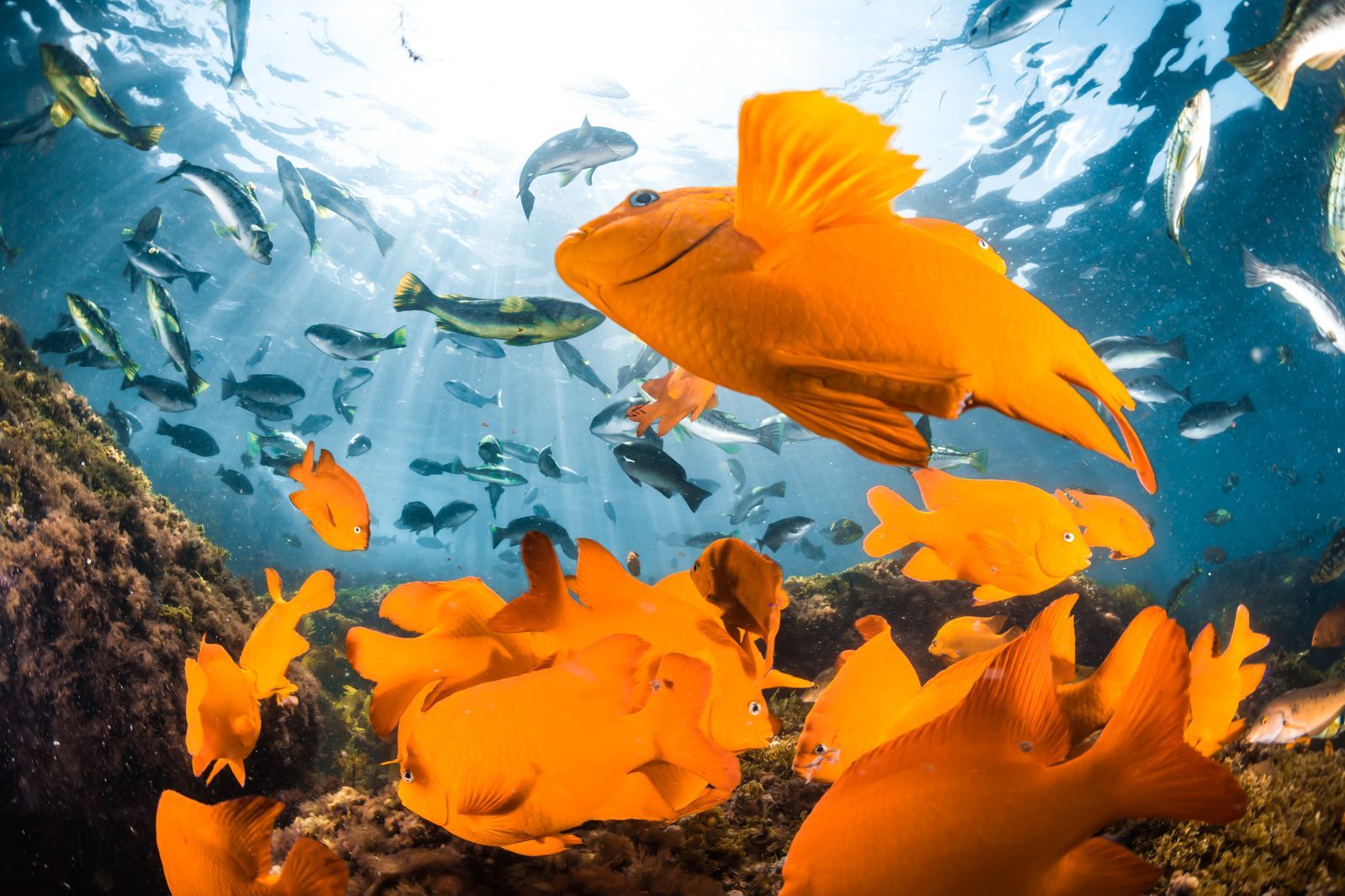
Garibaldi Colony

Garibaldi Colony

The bright orange Garibaldi, California's state marine fish, frequently congregate near the reef edges and rocky crevices. These territorial fish are easily spotted due to their vivid coloration.

Look for flashes of orange near the rocky reef base.
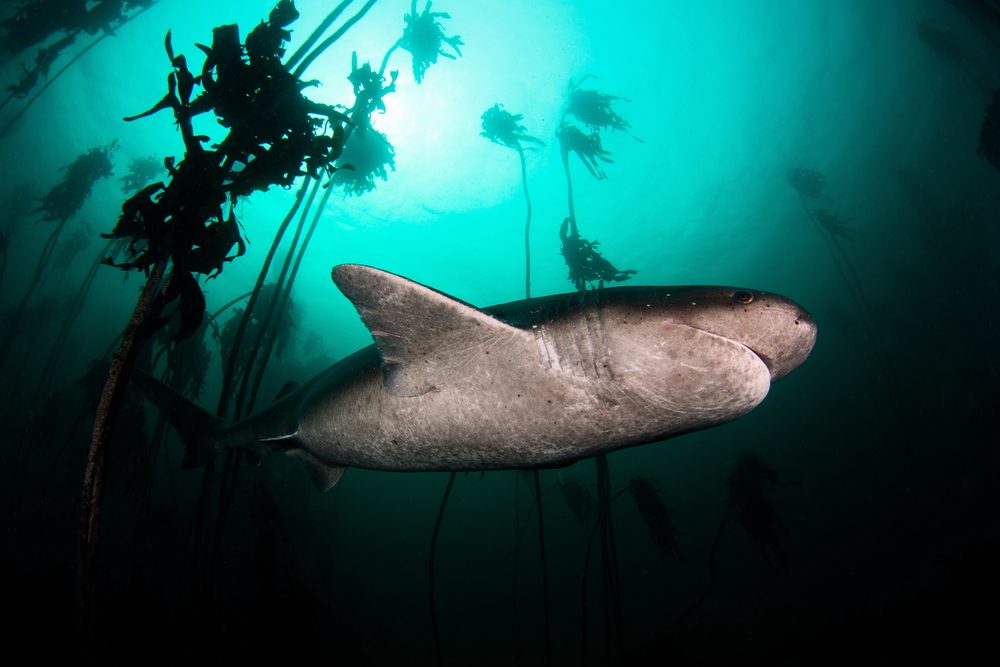
Seven-Gill Shark Habitat

Seven-Gill Shark Habitat

Found primarily in deeper sections of the reserve, these docile, large sharks are often observed resting along the sandy bottom. They are a primary draw for visitors interested in unique marine predators.

Maintain a steady pace and observe from a respectful distance.

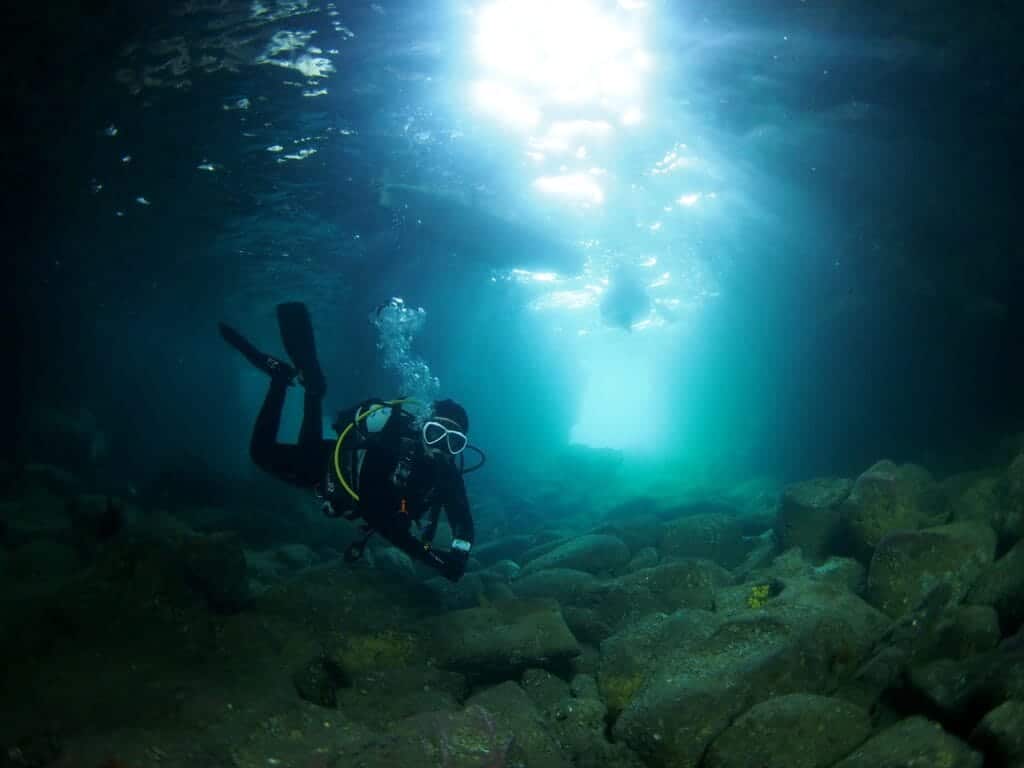
La Jolla Sea Caves

La Jolla Sea Caves

These natural sea caves provide shaded overhangs that attract schools of bait fish and occasionally harbor resting seals. The surrounding rocky walls feature complex formations shaped by ocean currents.

Swim near the cave entrances to observe shifting light patterns.

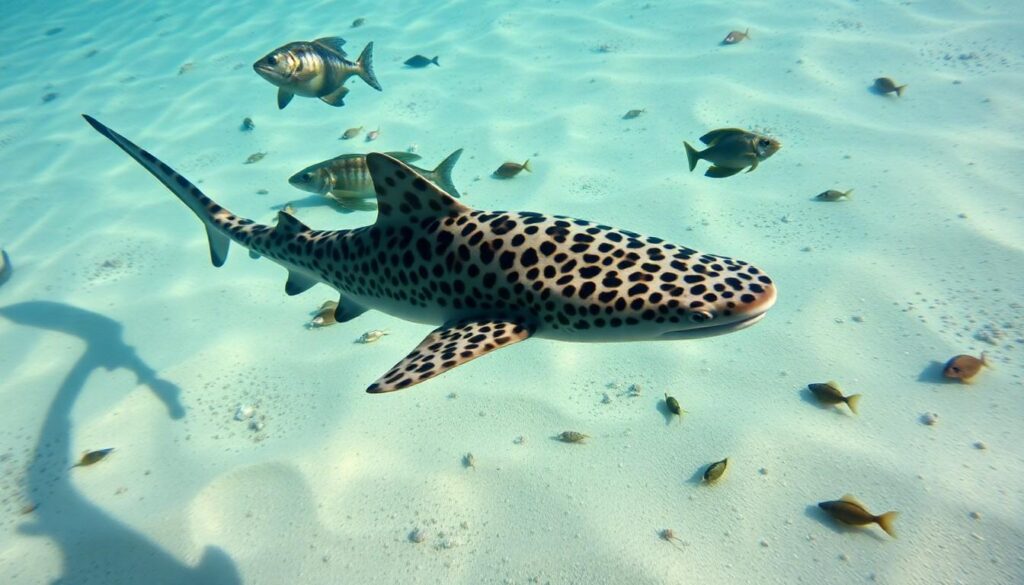
Leopard Shark Flats

Leopard Shark Flats

During warmer months, large groups of leopard sharks gather in the shallow, sandy areas of the reserve to bask. These shy creatures are typically found in water less than ten feet deep.

Scan the sandy floor during low tide periods.

Etiquette

Rules for the Best Time to Go Snorkeling in San Diego

La Jolla Cove sits within the San Diego-La Jolla Underwater Park Ecological Reserve, a protected marine area with strict conduct rules. Violations carry fines and threaten the ecosystem snorkelers come to see.

Do

  • Stay at least six feet away from seals and sea lions
  • Report injured marine life to lifeguards at 619-236-1242
  • Keep noise low near wildlife resting areas
  • Use reef-safe sunscreen before entering the water
  • Stay within designated swim areas marked by buoys

Don't

  • Touch, feed, or approach marine mammals or sea birds
  • Remove shells, rocks, or any natural materials from the reserve
  • Stand on or touch coral and reef structures
  • Use flash photography near hauled-out seals
  • Discard any waste or food in the water or on rocks
Book

Check availability

Frequently asked

FAQs: Best Time to Go Snorkeling in San Diego

Everything you need to know about best time to go snorkeling in san diego

What is the best time to go snorkeling in san diego?

The best time to go snorkeling in san diego is during the morning hours, specifically between 09:00 and 11:00. Arriving early ensures you experience the calmest water conditions and optimal visibility before afternoon winds pick up.

Are there specific hours to visit the La Jolla underwater park?

The La Jolla Cove is accessible daily from 09:00 to 23:59. You may visit at your convenience within these hours to explore the shoreline and coastal waters.

Is there an entrance fee for the ecological reserve?

There is no entrance fee for the beach and ecological reserve. Access to this San Diego landmark is free for all visitors.

When is the best time to go snorkeling in san diego for water clarity?

For the best visibility and calmest currents, the best time to go snorkeling in san diego is early in the day. Mornings typically provide the most stable conditions for viewing the kelp forests and marine life.

Can I snorkel at the cove with children?

Yes, families often enjoy the ecological reserve, though it is important to assess local conditions before entering the water. Ensure that children are comfortable with ocean swimming and equipped with proper safety gear.

What is the best time to go snorkeling in san diego to avoid crowds?

To avoid peak crowds, the best time to go snorkeling in san diego remains the early morning arrival window. Parking is also significantly easier to find before the midday rush arrives.

Do I need to book a guided tour to snorkel here?

While you do not need a tour to visit the beach, many visitors choose a local snorkeling tour to enhance their experience of the habitat. Guided trips can provide equipment and professional instruction for exploring the reefs.

What should I bring for my trip to the cove?

Plan to bring your own snorkeling gear, a towel, and sun protection for your visit. It is also helpful to have footwear for navigating the rocky beach entry points safely.

Keep reading

More guides & pages